The daily publication · October 19, 2026 · Retail
The price on your shelf is now an AI decision
Listen
Narrated by Tabron · 3.9 min
The idea
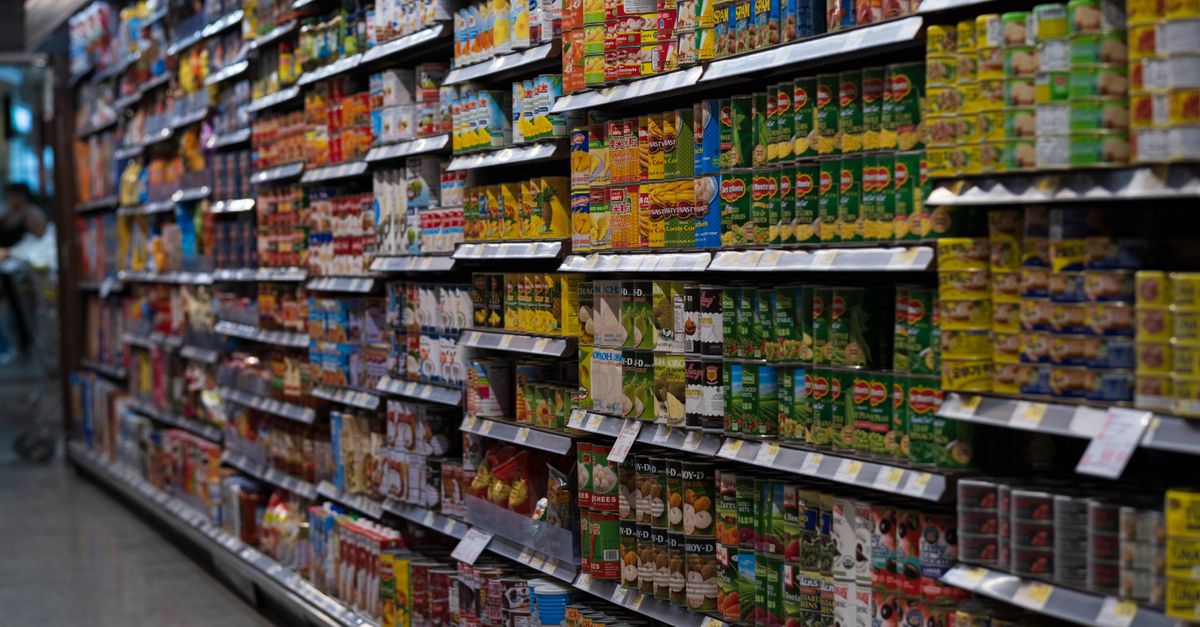
The Associated Press reported October 18 that digital price tags are spreading fast in grocery aisles, and AI tools now help retailers decide what to charge by predicting how customers will react.
Shoppers are angry. They call it dynamic pricing and surveillance pricing. Lawmakers in at least 30 states considered pricing bills this year. The FTC proposed an enforcement policy warning that businesses using personal data for individualized pricing without disclosure could violate consumer protection law.
Here is the shift. Pricing used to be a number you set. Now it is a workflow with AI inside it, and the legal and consumer-trust risk is compounding.
The example
The cases are already moving. The FTC's 2023 antitrust suit against Amazon challenged an algorithmic pricing tool codenamed Project Nessie. That case goes to trial next year. Amazon says the tool was scrapped.
A recent consumer lawsuit alleges McDonald's uses nonpublic sales data from competing locations to coordinate prices. McDonald's calls the suit filled with inaccuracies. Reuters reported October 5 that a proposed nationwide class action in Chicago makes the same kind of allegation: an AI-powered pricing system coordinating menu prices across franchises.
Walmart's CEO John Furner has said digital tags are not used to raise prices by weather, time of day or shopper. His line: "We price the product, not the person."
Meanwhile a Simon-Kucher survey of 2,200 business leaders in 28 countries found 41 percent use AI software for market intelligence including competitor prices, and 28 percent use it for real-time price optimization. This is not a future trend. It is the shelf tag and the POS.
The honest counterpoint: the National Retail Federation says this is a new method of doing what retailers have always done. Watch supply, watch demand, watch competitors, adjust. Asa Farquhar of retail tech vendor Relex says changing prices throughout the day is exceedingly rare in grocery today, and a web-data study found about half of recorded dynamic price changes were decreases. Fair. But even if the fear is bigger than the practice, the bills and the lawsuits are real.
The next step
Ask your POS or e-commerce vendor one plain question. Does your software use customer data to set my prices, and can I see the rule it follows?
If the answer is "the algorithm set it," that is not an answer a regulator or a customer accepts. You do not need to fight the technology. You need to be able to explain it in one sentence.
If you want to think it through with me, I am here for a free 10-minute conversation about your workflow. No pitch, just the work.
Sources
The other side
The National Retail Federation says algorithmic pricing is a new method of doing what retailers have always done: monitor and adjust prices on supply, demand, seasonality and competitors. Retail tech vendor Relex's Asa Farquhar says changing prices throughout the day is exceedingly rare in grocery today, and a web-data study found about half of recorded dynamic price changes were decreases.
Source: National Retail Federation
Connected stories
"The FTC just asked nine giants to show their pricing math"
Same company: Walmart; Same topic: pricing and unit economics
McDonald's is pricing workflow automation at 50 labor hours a week
Same company: McDonald's
"Meta builds a sales team to sell its AI agents to small businesses, while big retailers refuse to hand it their customers"
Same company: Amazon
"Your supplier just put a price on AI: $100 million this year, $500 million by 2029"
Same topic: pricing and unit economics
Want this every week?
One idea, one example, one next step. Free, every Wednesday. Or step into the rooms where owners talk it through.